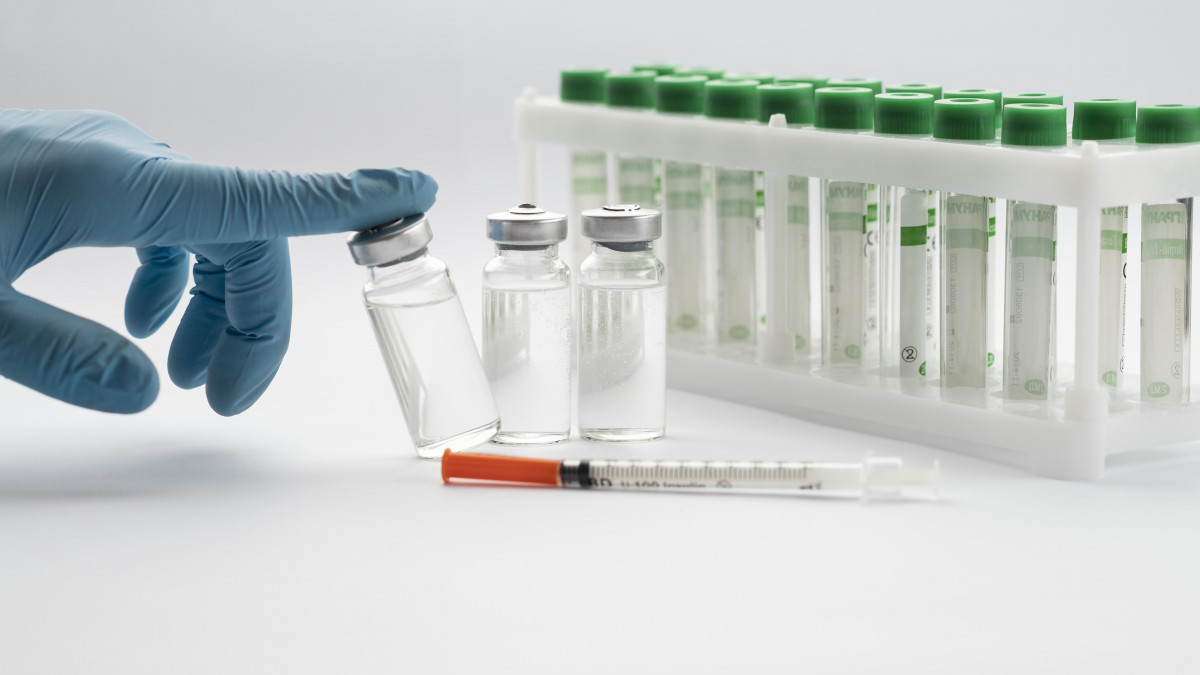
Bacteriostatic Water, commonly referred to as BAC water, is a sterile solution widely used in medical and research settings for reconstituting or diluting medications, including peptides. It is possible to source BAC water in South Africa from several online vendors.
It consists of sterile water for injection combined with a small amount (typically 0.9%) of benzyl alcohol, which acts as a preservative. This preservative is what distinguishes BAC water from standard sterile water and allows it to be used multiple times from the same vial under proper handling conditions.
The primary purpose of BAC water is to provide a safe and stable medium for dissolving lyophilized (freeze-dried) compounds. Many peptides are supplied in powder form to preserve their stability and shelf life. Before use, they must be reconstituted with a sterile solution, and BAC water is often preferred because its antimicrobial properties help reduce the risk of bacterial growth after the vial has been opened.
One of the key advantages of BAC water is its convenience. Because of the benzyl alcohol content, a single vial can typically be used for multiple withdrawals, making it more practical than single-use sterile water in many scenarios. However, this does not mean it can be used indefinitely. Proper storage, handling, and adherence to recommended usage timelines are essential to maintain sterility and safety.
BAC water is commonly used in clinical environments, research labs, and by healthcare professionals who need a reliable diluent for injectable substances. It’s important to note that while BAC water helps inhibit bacterial growth, it does not eliminate the need for strict aseptic technique. Using clean needles, avoiding contamination, and storing the vial correctly are all critical practices.
There are also some important considerations. Individuals should only use it under appropriate guidance when preparing any injectable compound.
Overall, bacteriostatic water plays a crucial supporting role in peptide and medication preparation. Its preservative properties, ease of use, and compatibility with a wide range of compounds make it a standard choice in both medical and research applications.